
Medical Equipment QC, Preventive Maintenance and Calibration in UAE Healthcare Facilities
· admin
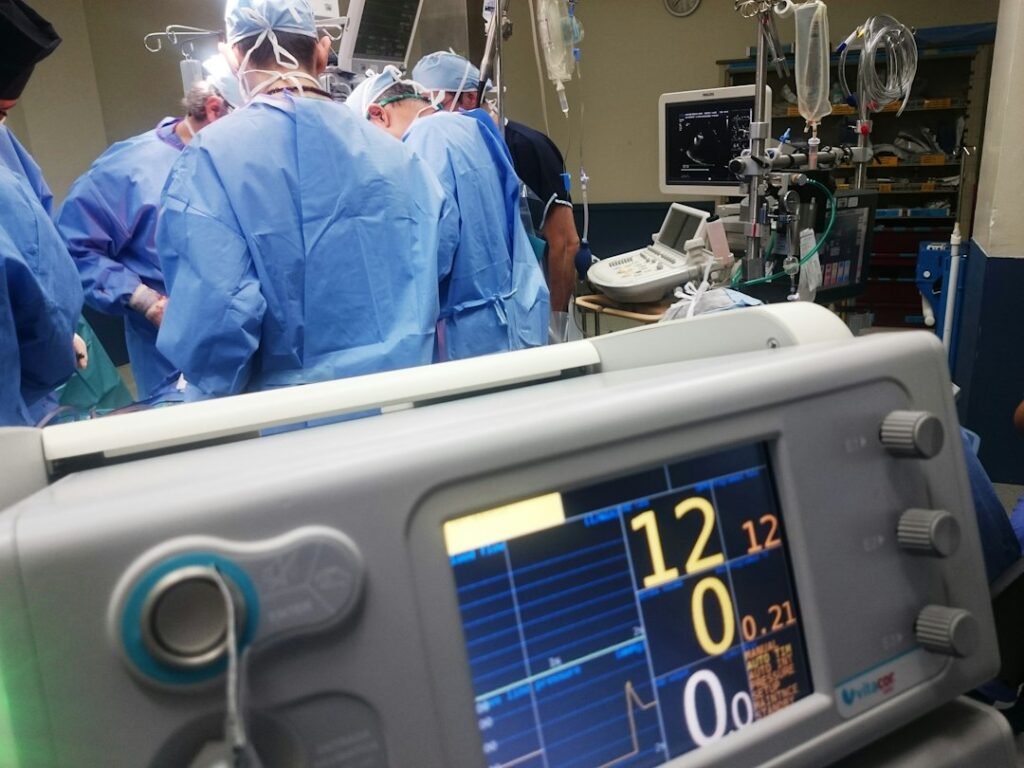
Medical equipment compliance is not achieved by keeping a service sticker on a device. A dependable programme connects the asset register, manufacturer instructions, risk classification, preventive maintenance, calibration where relevant, quality-control testing, safety checks, service history and evidence of corrective action. In UAE healthcare facilities, the precise requirements depend on the equipment, clinical use, applicable authority and any modality-specific rules.
This guide helps biomedical engineering teams, clinic managers, medical physicists, radiology leads and compliance coordinators design a practical equipment-control process. It is not a substitute for manufacturer instructions, applicable regulations or qualified technical assessment.
1. Build a reliable medical equipment asset register
Assign each item a unique asset ID and capture the facility, department, room, manufacturer, model, serial number, installation or acceptance date, responsible owner, service provider, risk category and operating status. Link supporting documents such as user manuals, warranty, acceptance checks, service contracts, maintenance reports, calibration certificates and relevant test results.
Define equipment status clearly: in service, restricted, awaiting inspection, under repair, quarantined, decommissioned or disposed. A device that has failed a safety or performance check should not remain listed as available without a documented decision by an authorised person. Where a device is relocated, transferred or returned from repair, update its location and confirm whether additional checks are needed.
2. Understand QC, preventive maintenance and calibration
- Quality control (QC): a defined test or series of tests used to assess whether equipment performance remains within specified acceptance criteria.
- Preventive maintenance (PPM): planned servicing and inspection intended to reduce failures and maintain equipment condition.
- Calibration: comparison of a measurement instrument with a reference standard, with documented results and uncertainty where appropriate. Calibration is relevant to particular instruments and functions; it is not a generic label for every service activity.
- Safety testing: checks that assess relevant hazards, such as electrical safety or radiation safety, using applicable methods and criteria.
- Acceptance testing: checks performed before clinical use or after specified changes to establish a baseline and confirm requirements are met.
These activities can overlap operationally, but they are not interchangeable. A maintenance report does not automatically demonstrate that a required QC test or calibration has been completed. Map each asset type to the activities that actually apply.
3. Set defensible intervals and acceptance criteria
Do not assign every asset the same annual due date by default. Establish intervals using the manufacturer’s instructions, risk and clinical criticality, applicable regulations or standards, service contract, usage intensity, history of failures, environmental conditions and advice from qualified technical personnel. For regulated imaging equipment, confirm any specific QC and radiation protection obligations with the relevant regulator and competent specialist.
Document the basis for each interval and acceptance limit. If an interval changes, record who approved the change, why it is justified, the evidence considered and when it will be reviewed. A calendar should identify both the due date and the source of the requirement so the team can explain why the activity is scheduled that way.
4. Special considerations for diagnostic imaging equipment
Imaging systems may require modality-specific performance and radiation safety checks. The appropriate programme depends on whether the equipment is dental intraoral X-ray, panoramic, CBCT, CT, mammography, DEXA, fixed or mobile radiography, fluoroscopy or another system. Tests, phantoms, parameters and acceptance limits are not interchangeable across modalities or models.
Keep the equipment identity, test protocol and measurement instrument details with the report. Record relevant settings, measured results, reference or acceptance values, test conditions, exceptions, interpretation and follow-up. Ensure instruments used for measurements have appropriate status and traceability. Where results are outside limits, document immediate risk assessment, any restriction on use, service intervention, retest and authorised return-to-service decision.
Radiation protection responsibilities and required authorisations must be confirmed with the competent UAE authority. For applicable radiation-related matters, use official FANR resources and relevant emirate healthcare regulator guidance; do not infer requirements from a generic equipment checklist.
5. A closed-loop equipment compliance workflow
- Register: create or verify the asset record and attach its manuals, baseline documents and service history.
- Plan: assign required activities, intervals, owners, service providers and due dates.
- Schedule: coordinate work to minimise disruption and avoid overlapping appointments for the same technician or equipment room.
- Perform: record the actual activity, test method, instrument used, measurements, findings and report.
- Assess: compare results with the applicable criteria and decide whether restrictions or escalation are necessary.
- Correct: create a work order or corrective action with a responsible owner and target date.
- Verify: retest where appropriate, approve closure and record who authorised return to service.
- Learn: review repeated failures, downtime, overdue tasks and supplier performance.
6. What a complete equipment record should contain
| Record group | Core fields | Why it matters |
|---|---|---|
| Asset identity | Unique ID, serial, model, location, status, owner | Prevents mix-ups and supports traceability |
| Scheduled activity | Activity type, due date, source, priority, assignee | Shows what is required and why |
| Test or service report | Date, provider, method, results, acceptance criteria, evidence | Supports review and audit |
| Failure and CAPA | Issue, risk, restriction, action, retest, closure approver | Demonstrates controlled response to failure |
| Supplier and contract | Coverage, SLA, expiry, contact, service history | Supports continuity and accountability |
Store the final report against the correct asset and facility. Use versioning for revised reports, and avoid replacing a failed result with a later passing result without retaining the original finding and the evidence of remediation.
7. Equipment KPIs that drive action
Useful indicators include percentage of activities completed on time, overdue high-risk assets, repeat failures, mean downtime, service-response time, first-time pass rate, open corrective actions, assets awaiting parts and contract expiry exposure. Define the numerator, denominator, reporting period and exclusions for each KPI. A headline completion percentage can be misleading if critical equipment is overdue while low-risk tasks are current.
Review exceptions by facility, department, asset category and supplier. Use trends to adjust schedules, improve staff training, challenge recurring service issues and plan replacement budgets. Every red status should lead to a clear owner and decision—not merely a dashboard colour.
8. Common equipment-control failures
- Assets are missing from the register or duplicate records exist for the same device.
- Service reports are filed by supplier rather than linked to the individual asset.
- Intervals are copied across different models without checking instructions or requirements.
- Calibration certificates are expired or the instrument identity is not recorded.
- Failed tests are closed without retest evidence or an authorised return-to-use decision.
- Maintenance and QC are treated as the same activity.
- Service contracts expire without an assigned owner or contingency plan.
- Equipment is moved between rooms without updating the record and checking required controls.
9. How digital compliance management supports equipment control
A structured platform can connect asset identity, schedules, service reports, test outcomes, vendors, work orders, QR-linked records and compliance dashboards. This helps teams locate the correct report quickly, identify due work, coordinate technicians and follow a failure through to verified closure. MedCare Hub ORCHESTRA can be considered as a way to organise these connected records across facilities; technical decisions and test interpretation remain the responsibility of qualified personnel.
Frequently asked questions
Are PPM, calibration and QC the same?
No. They serve different purposes. Determine which activities apply to each device and keep separate evidence when required.
Should every medical device be calibrated annually?
Not as a universal rule. Confirm the instrument or device requirements from manufacturer instructions, applicable standards, risk assessment and qualified technical advice.
What happens when a QC result fails?
Document the result, assess risk, restrict use if required, escalate to the responsible technical and clinical leads, arrange correction, retest where appropriate and record an authorised closure decision.
Can a service sticker replace a full report?
A sticker may show a date or status but generally does not provide the detailed evidence needed to assess work performed, results, acceptance criteria and corrective actions.
Who should approve the equipment schedule?
Assign approval to a role with appropriate technical and operational competence, with input from the equipment owner and relevant clinical or compliance lead.
10. Manage equipment changes and lifecycle events
Equipment compliance is affected by more than routine calendar dates. Installation, relocation, software updates, major repair, component replacement, repeated failure, extended storage and decommissioning may require a review or additional checks. Define which events trigger technical assessment and who can authorise a device’s return to clinical use. When a device is moved to another branch, transfer its complete service history and verify the new location, power or environmental conditions and any applicable local requirements.
For a new purchase, plan the evidence before delivery. Identify who will review the specification, acceptance criteria, installation requirements, training, warranty, service coverage and baseline performance. Make sure the asset is not treated as fully operational simply because it has been delivered or invoiced. Acceptance and readiness should be evidenced according to the device and applicable process.
11. Review service providers and recurring failure patterns
Track response time, repeat visits, unresolved faults, quality of reports, parts delays and contract performance. A low-cost contract may not be suitable if response times or technical coverage do not meet operational needs. When a device repeatedly fails, consider whether the cause relates to usage, environment, training, maintenance quality, ageing or the original specification. Use that evidence to support decisions about repair, replacement, contingency arrangements and budget planning.
Editorial note: Requirements vary by device, service and authority. Validate all intervals, test methods and acceptance criteria before implementation.
Want a more controlled equipment compliance workflow? Contact MedCare Hub Group to discuss how to structure equipment registers, recurring tasks and evidence management for your facility.
Leave a Reply